MED 2023
Multimodal Dataset from Harsh Sub-Terranean Environment with Aerosol Particles for Frontier Exploration
- Robotics and Artificial Intelligence Group, Luleå University of Technology
Abstract
Algorithms for autonomous navigation in environments without Global Navigation Satellite System (GNSS) coverage mainly rely on onboard perception systems. These systems commonly incorporate sensors like cameras and Light Detection and Rangings (LiDARs), the performance of which may degrade in the presence of aerosol particles. Thus, there is a need of fusing acquired data from these sensors with data from Radio Detection and Rangings (RADARs) which can penetrate through such particles. Overall, this will improve the performance of localization and collision avoidance algorithms under such environmental conditions. This paper introduces a multimodal dataset from the harsh and unstructured underground environment with aerosol particles. A detailed description of the onboard sensors and the environment, where the dataset is collected are presented to enable full evaluation of acquired data. Furthermore, the dataset contains synchronized raw data measurements from all onboard sensors in Robot Operating System (ROS) format to facilitate the evaluation of navigation, and localization algorithms in such environments. In contrast to the existing datasets, the focus of this paper is not only to capture both temporal and spatial data diversities but also to present the impact of harsh conditions on captured data. Therefore, to validate the dataset, a preliminary comparison of odometry from onboard LiDARs is presented.
Platform
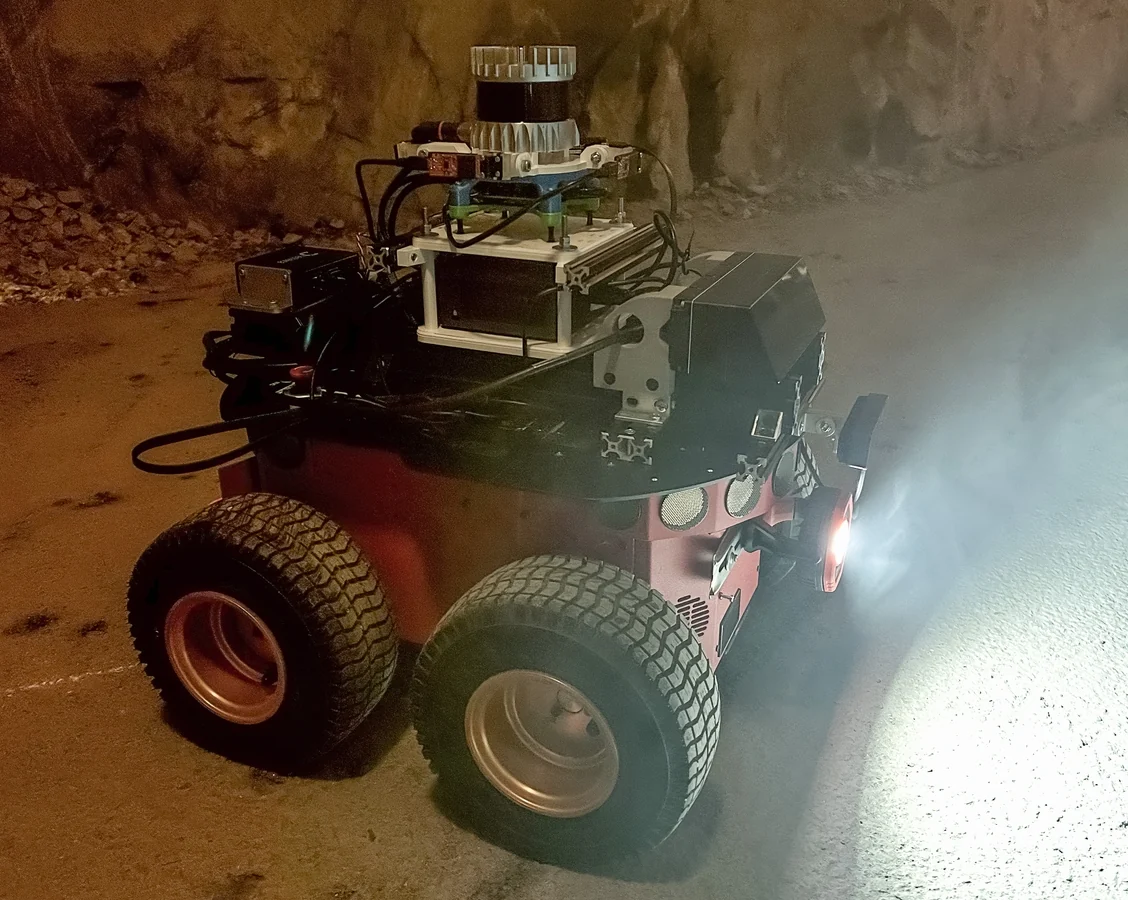
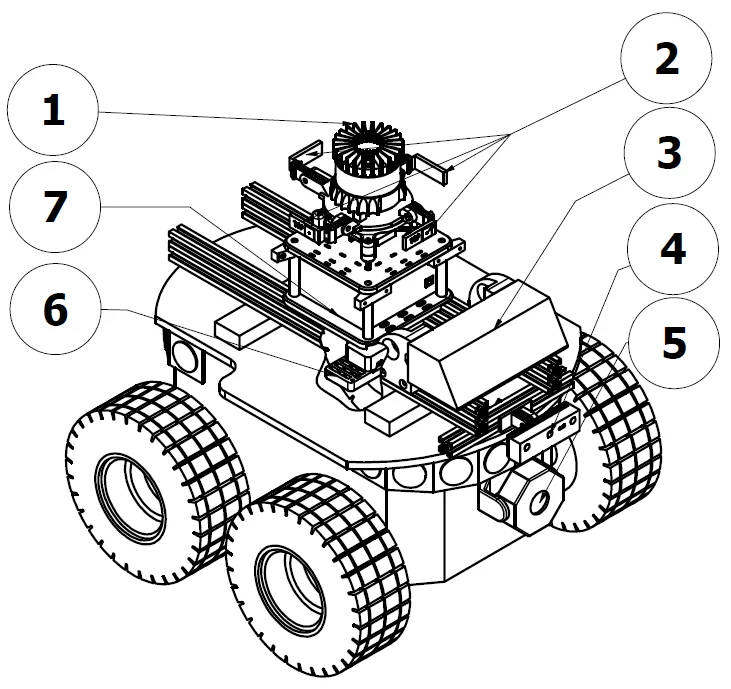
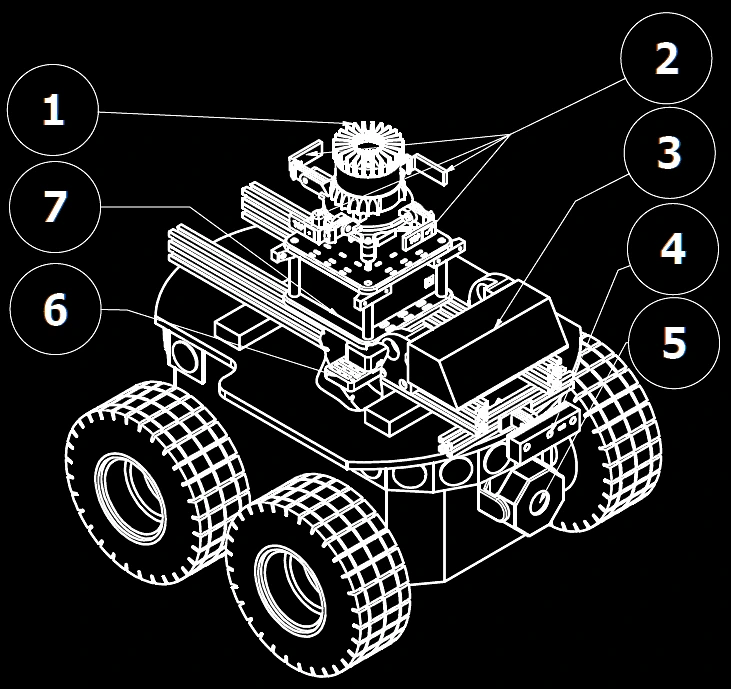
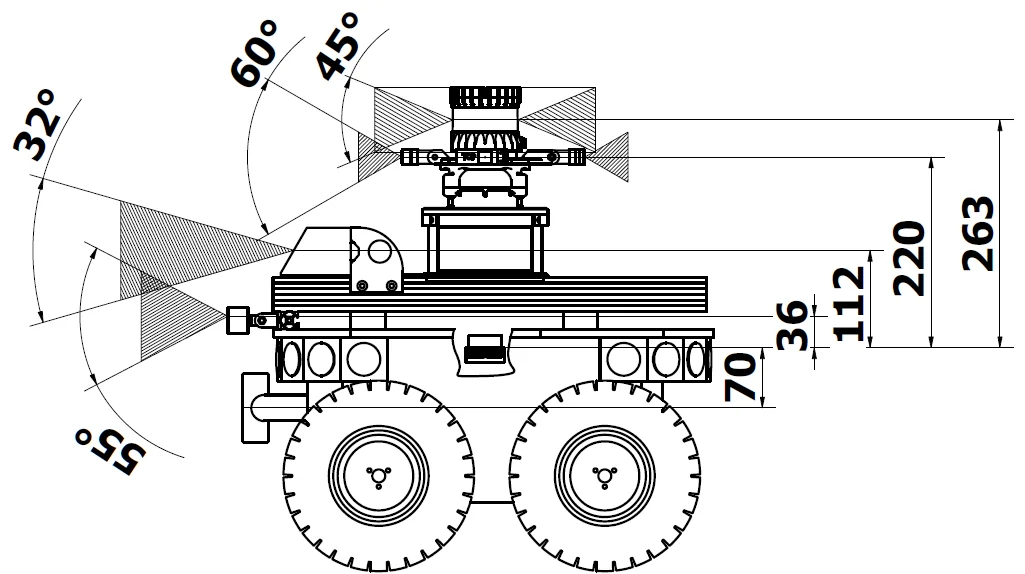
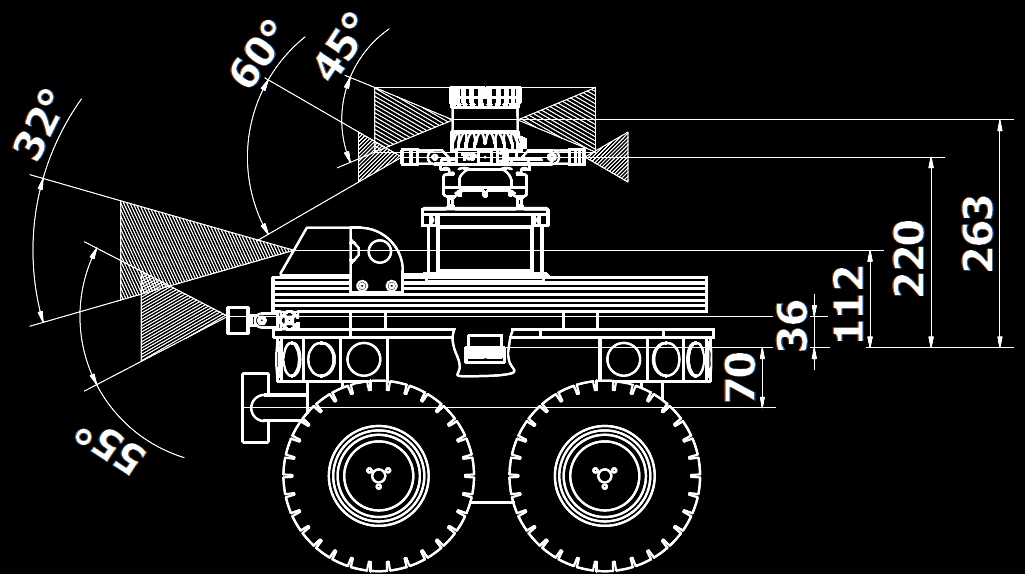
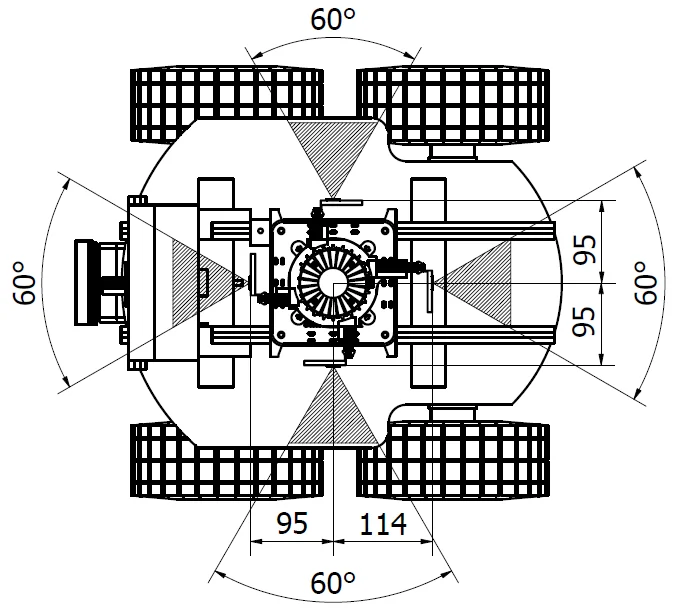
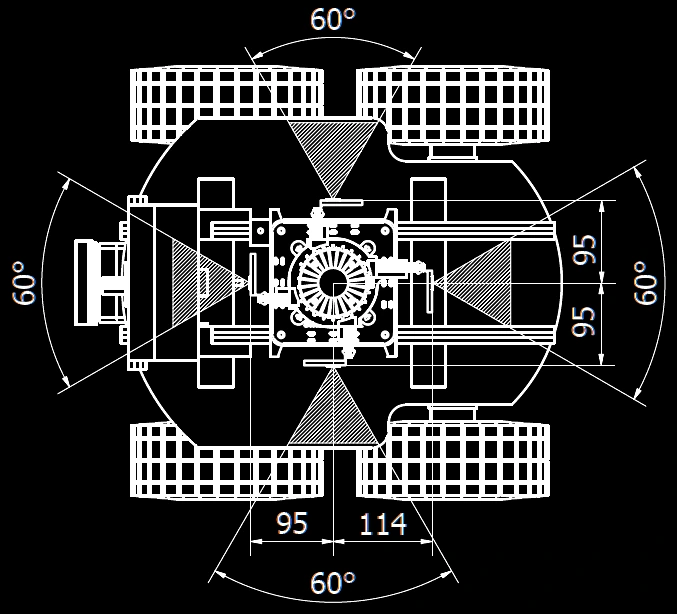
The recordings come from a Pioneer ground robot that carries two LiDARs, four mmWave radar modules, an infrared-enabled RGB-D camera and an IMU. All sensors are recorded as synchronized raw data in ROS format.
Conditions
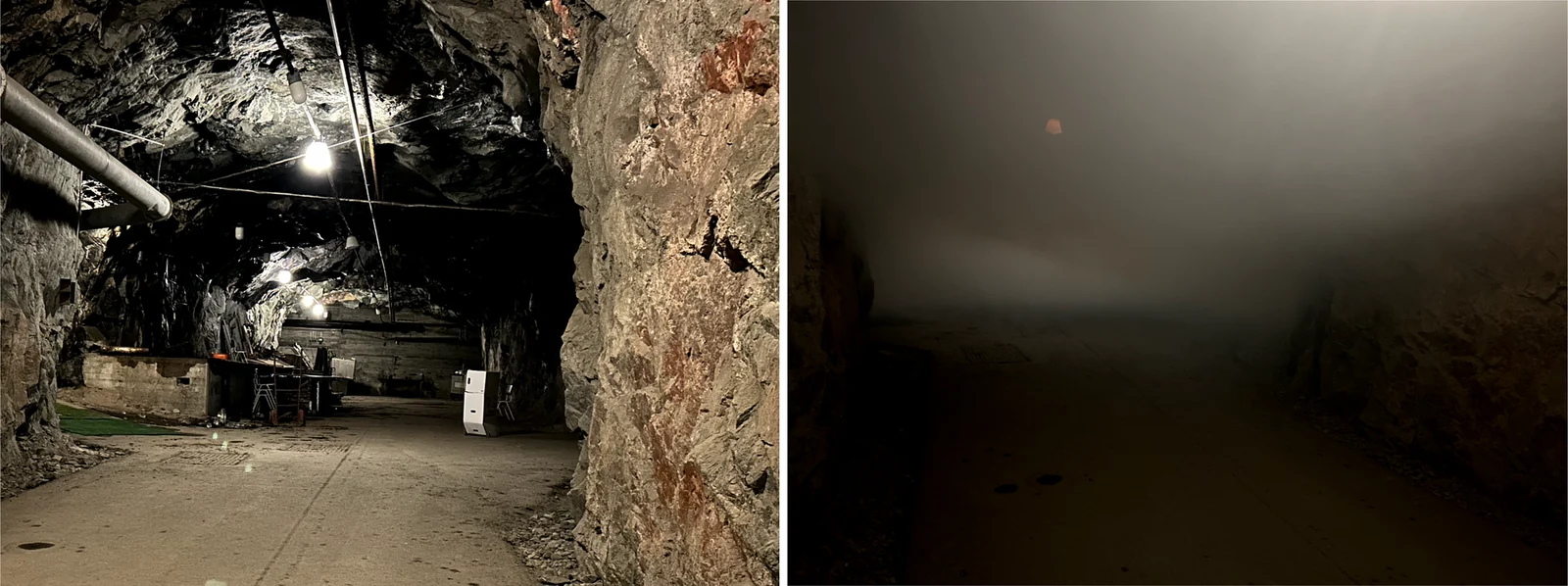
The dataset covers darkness and dense vapor, the conditions in which cameras and LiDARs degrade and radar keeps working.
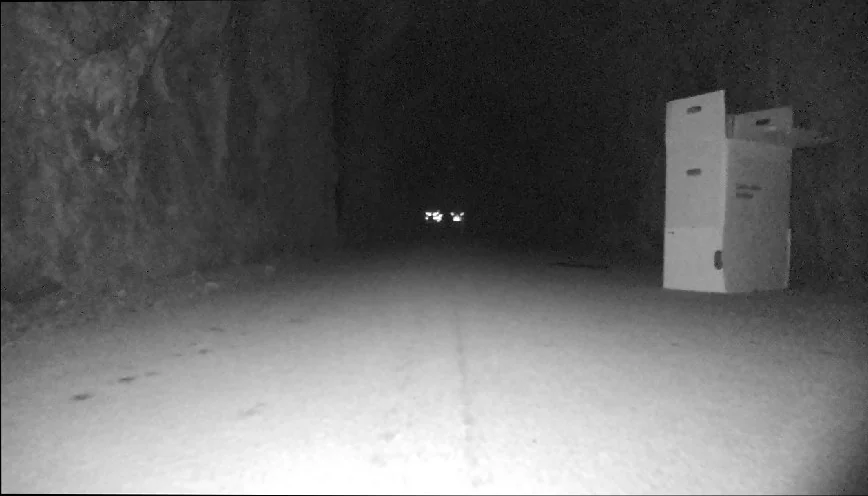
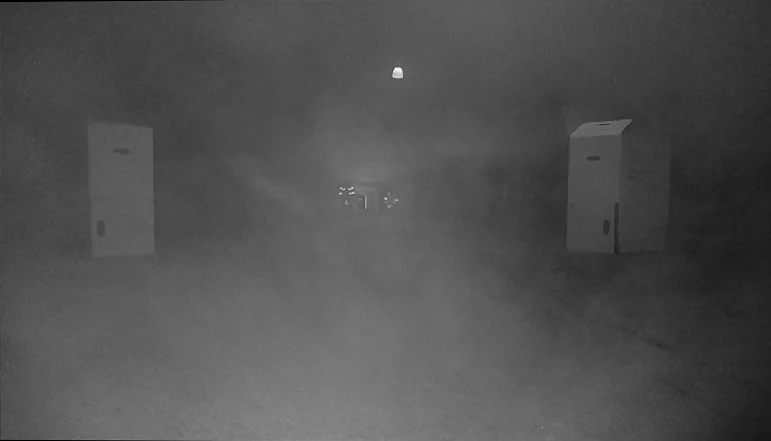
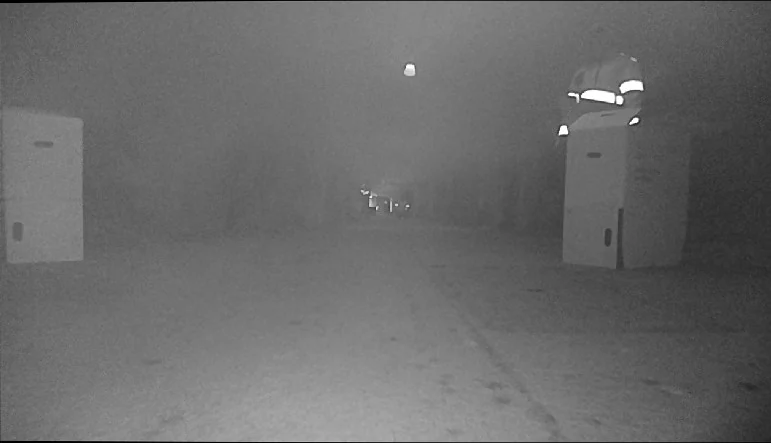
The IR-illuminated camera in visually degraded conditions, for obstacle detection and search-and-rescue missions.
Validation
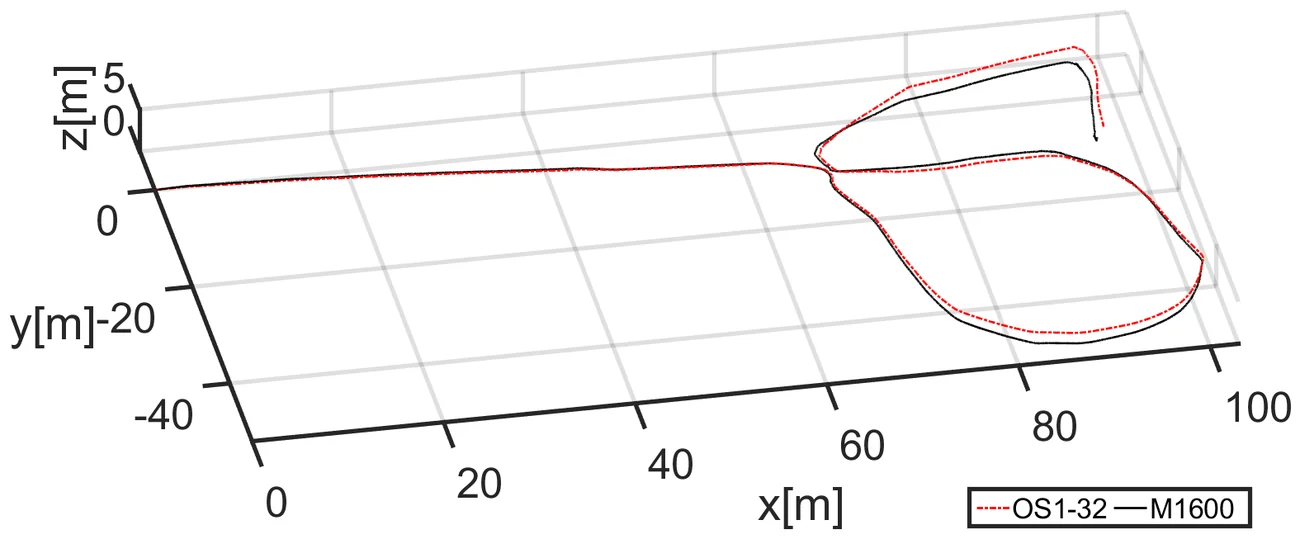
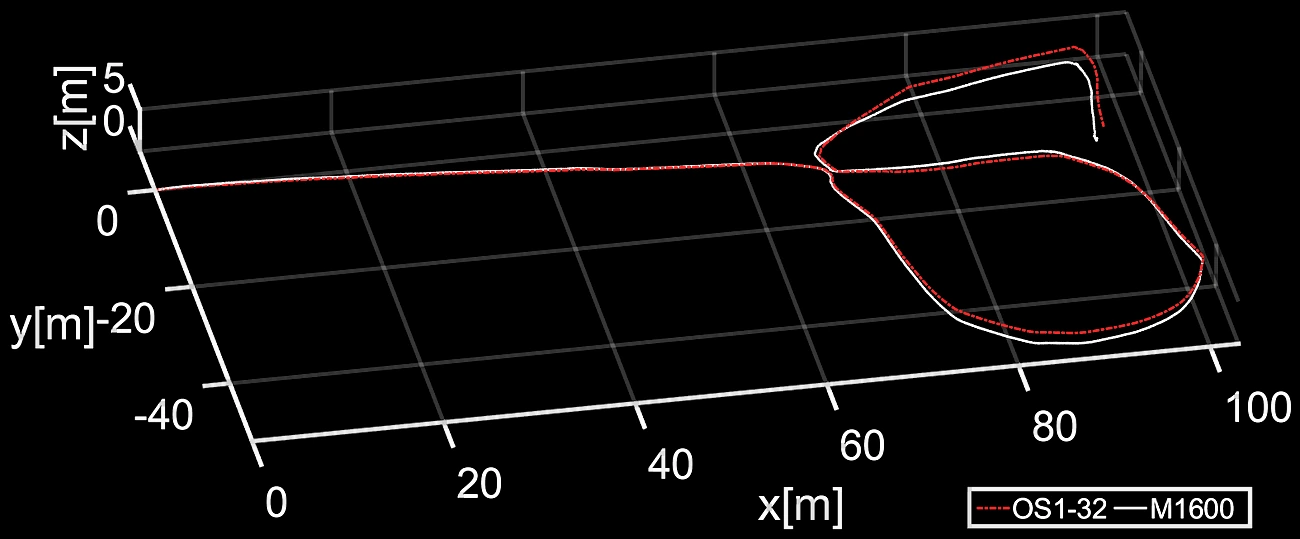
As a first check of the recordings, the paper compares odometry computed from the two onboard LiDARs.
This work was funded by the European Union's Horizon 2020 Research and Innovation Programme under Grant Agreement No. 101003591, NEX-GEN SIMS.
Citation
@inproceedings{kyuroson2023subt,
  title     = {Multimodal Dataset from Harsh Sub-Terranean Environment with Aerosol Particles for Frontier Exploration},
  author    = {Kyuroson, Alexander and Dahlquist, Niklas and Stathoulopoulos, Nikolaos and Viswanathan, Vignesh Kottayam and Koval, Anton and Nikolakopoulos, George},
  booktitle = {31st Mediterranean Conference on Control and Automation (MED)},
  pages     = {716--721},
  year      = {2023},
  doi       = {10.1109/MED59994.2023.10185906}
}