IECON 2023
Efficient Real-time Smoke Filtration with 3D LiDAR for Search and Rescue with Autonomous Heterogeneous Robotic Systems
- Robotics and Artificial Intelligence Group, Luleå University of Technology
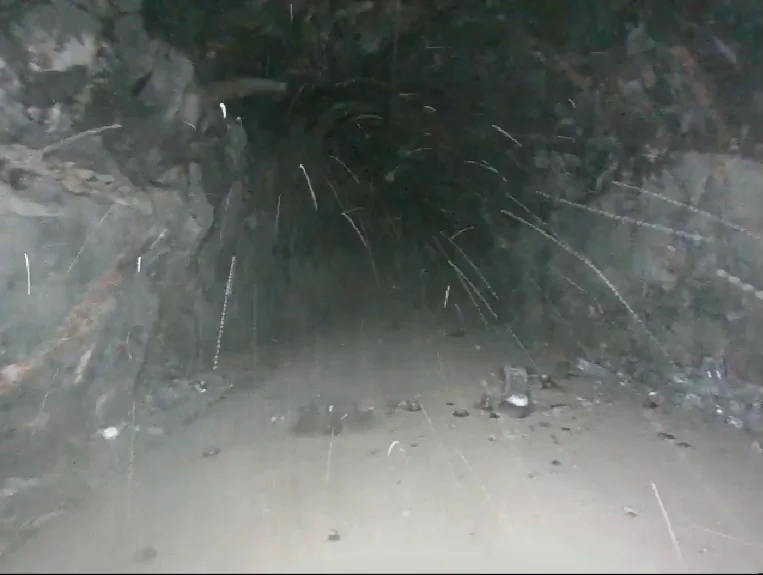
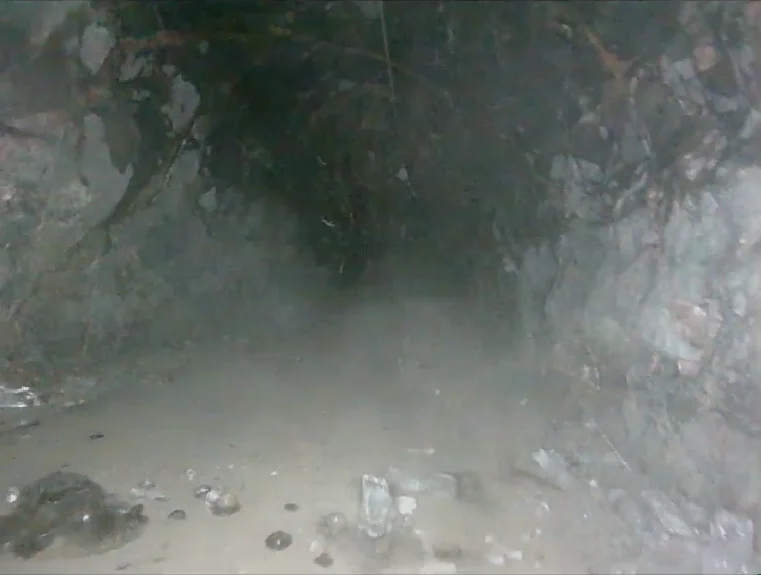
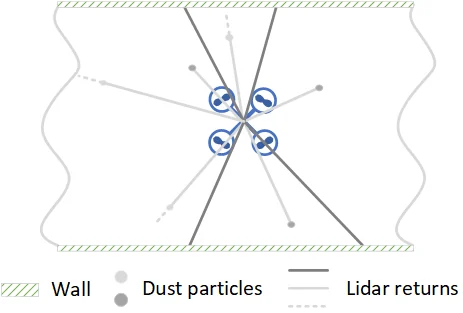
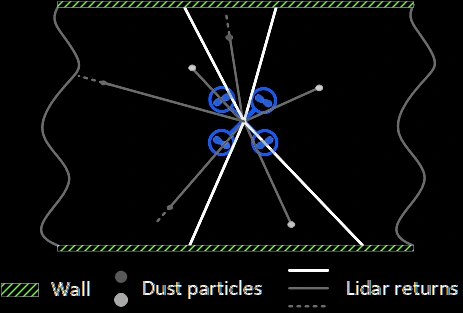
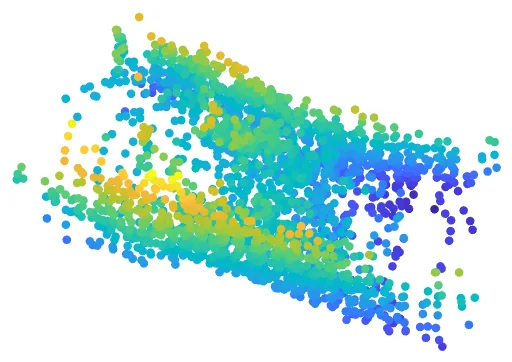
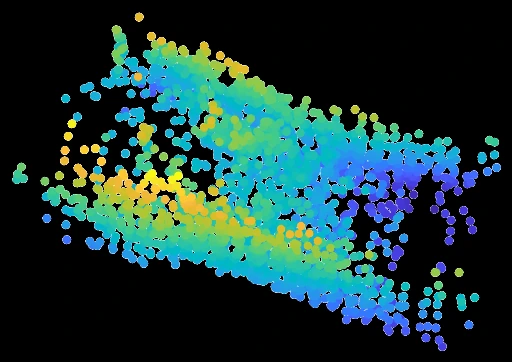
A subterranean environment that is hard for LiDAR sensors. Left and center: dust raised in a tunnel, seen from the robot. Right: the propulsion system of a drone entrains particles, and LiDAR beams return from them instead of from the walls.
Abstract
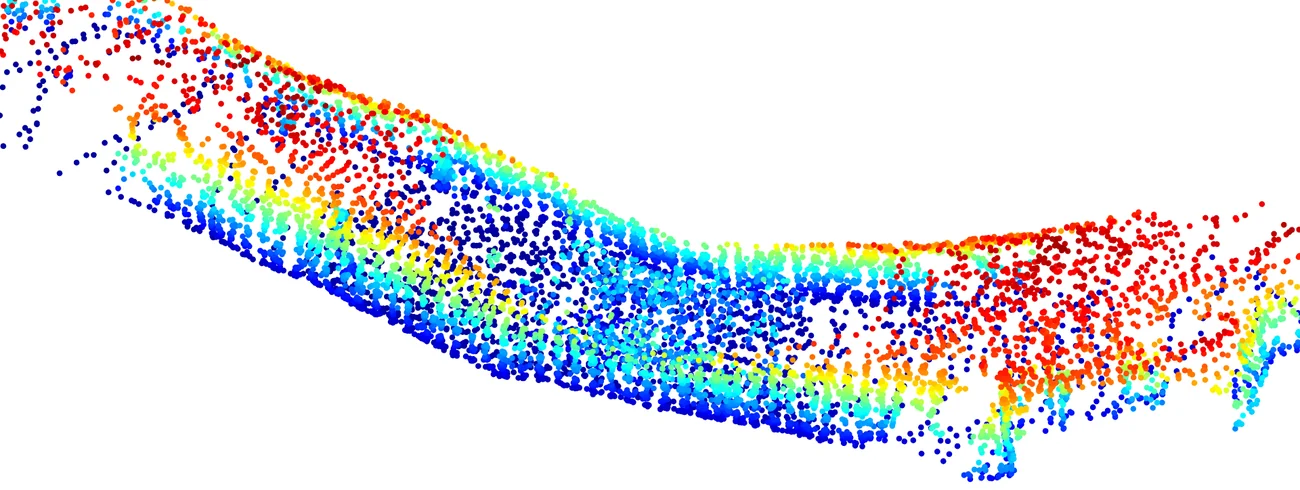
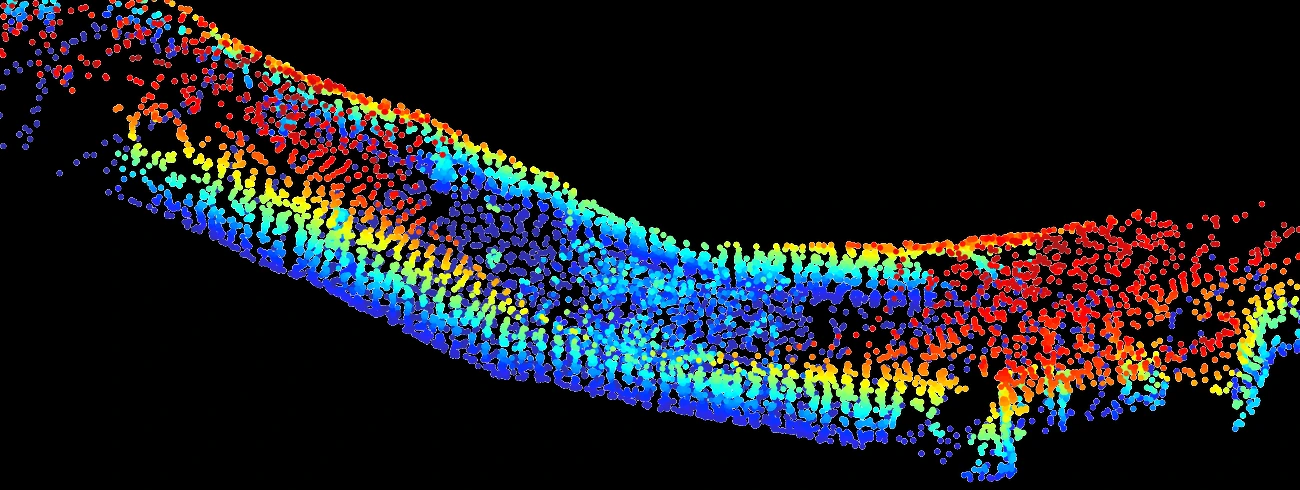
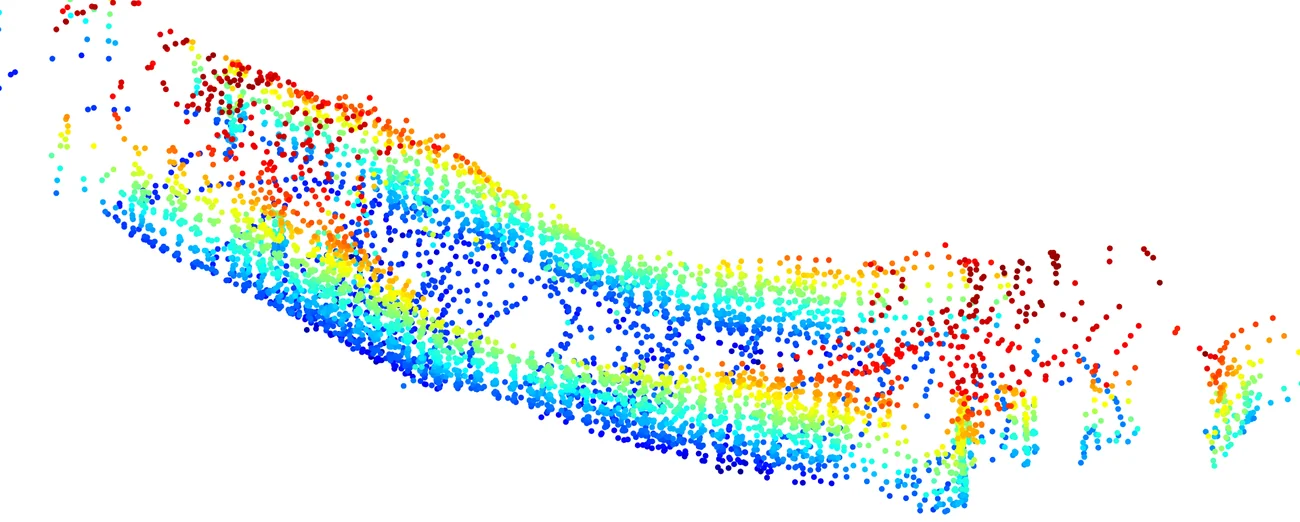
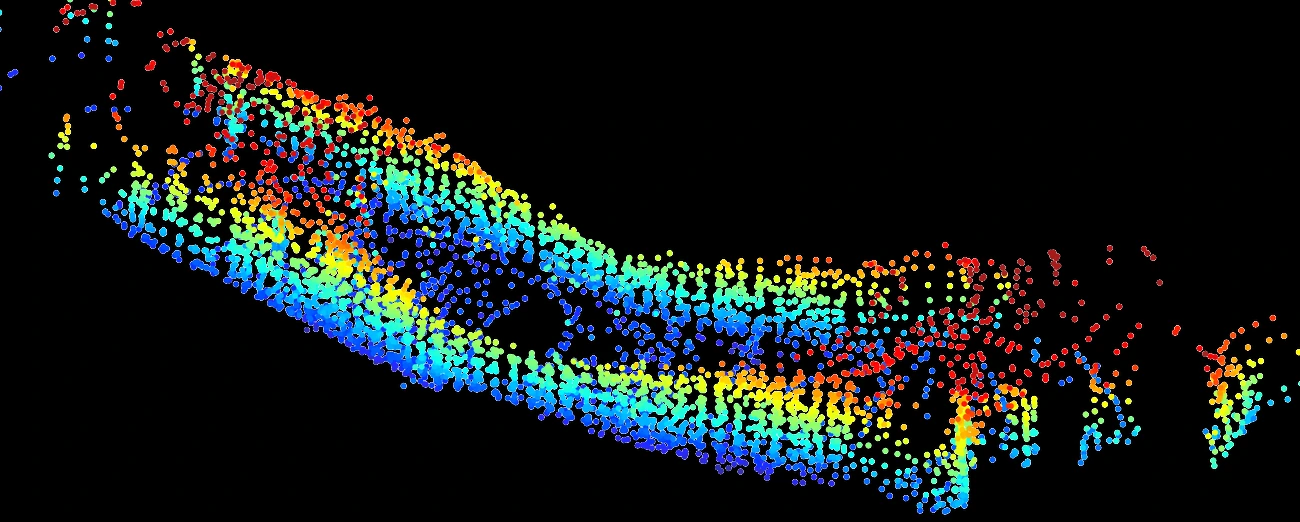
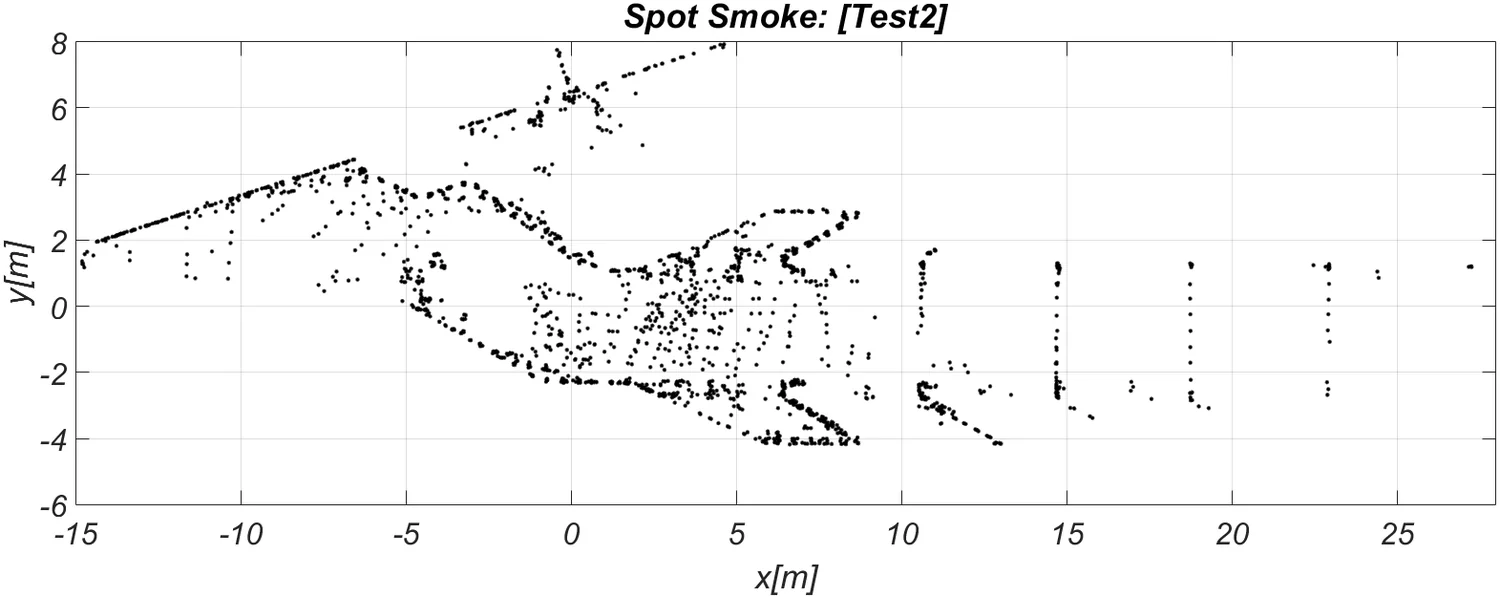
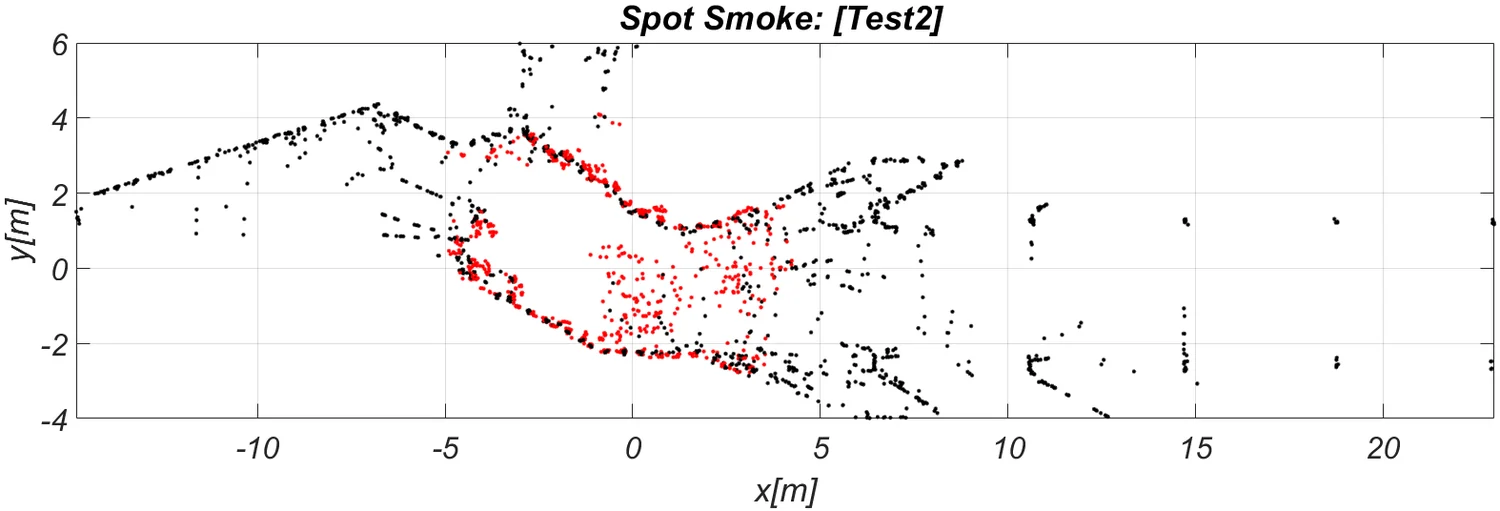
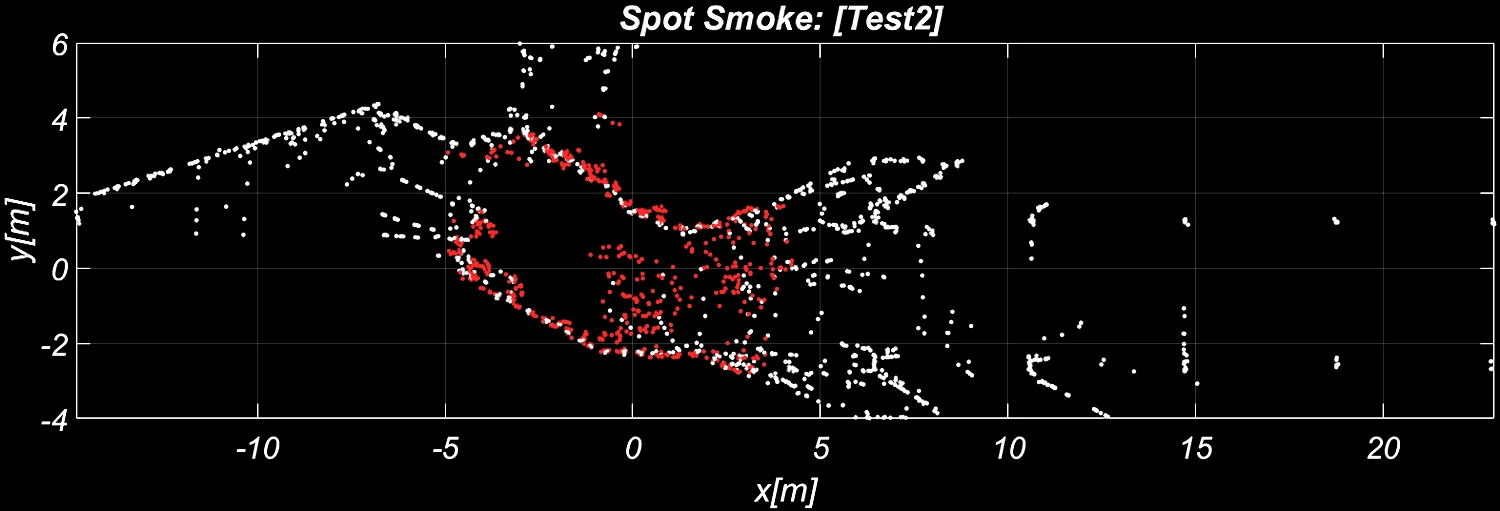
Search and Rescue (SAR) missions in harsh and unstructured Sub-Terranean (Sub-T) environments in the presence of aerosol particles have recently become the main focus in the field of robotics. Aerosol particles such as smoke and dust directly affect the performance of any mobile robotic platform due to their reliance on their onboard perception systems for autonomous navigation and localization in Global Navigation Satellite System (GNSS)-denied environments. Although obstacle avoidance and object detection algorithms are robust to the presence of noise to some degree, their performance directly relies on the quality of captured data by onboard sensors such as Light Detection And Ranging (LiDAR) and camera. Thus, this paper proposes a novel modular agnostic filtration pipeline based on intensity and spatial information such as local point density for removal of detected smoke particles from Point Cloud (PCL) prior to its utilization for collision detection. Furthermore, the efficacy of the proposed framework in the presence of smoke during multiple frontier exploration missions is investigated while the experimental results are presented to facilitate comparison with other methodologies and their computational impact. This provides valuable insight to the research community for better utilization of filtration schemes based on available computation resources while considering the safe autonomous navigation of mobile robots.
Method
The filter combines the intensity of each return with spatial information such as the local point density, and removes the detected smoke particles from the point cloud before it is used for collision detection. The pipeline is modular and does not depend on a particular sensor; it has one branch for close range and one for long range.


Scroll the figure sideways, or tap it to open it full size.
Results
This work was partially funded by the European Union's Horizon 2020 Research and Innovation Programme under Grant Agreement No. 101003591, NEX-GEN SIMS.
Citation
@inproceedings{kyuroson2023smoke,
  title     = {Efficient Real-time Smoke Filtration with {3D} {LiDAR} for Search and Rescue with Autonomous Heterogeneous Robotic Systems},
  author    = {Kyuroson, Alexander and Koval, Anton and Nikolakopoulos, George},
  booktitle = {IECON 2023 -- 49th Annual Conference of the IEEE Industrial Electronics Society},
  year      = {2023},
  doi       = {10.1109/IECON51785.2023.10312303}
}